
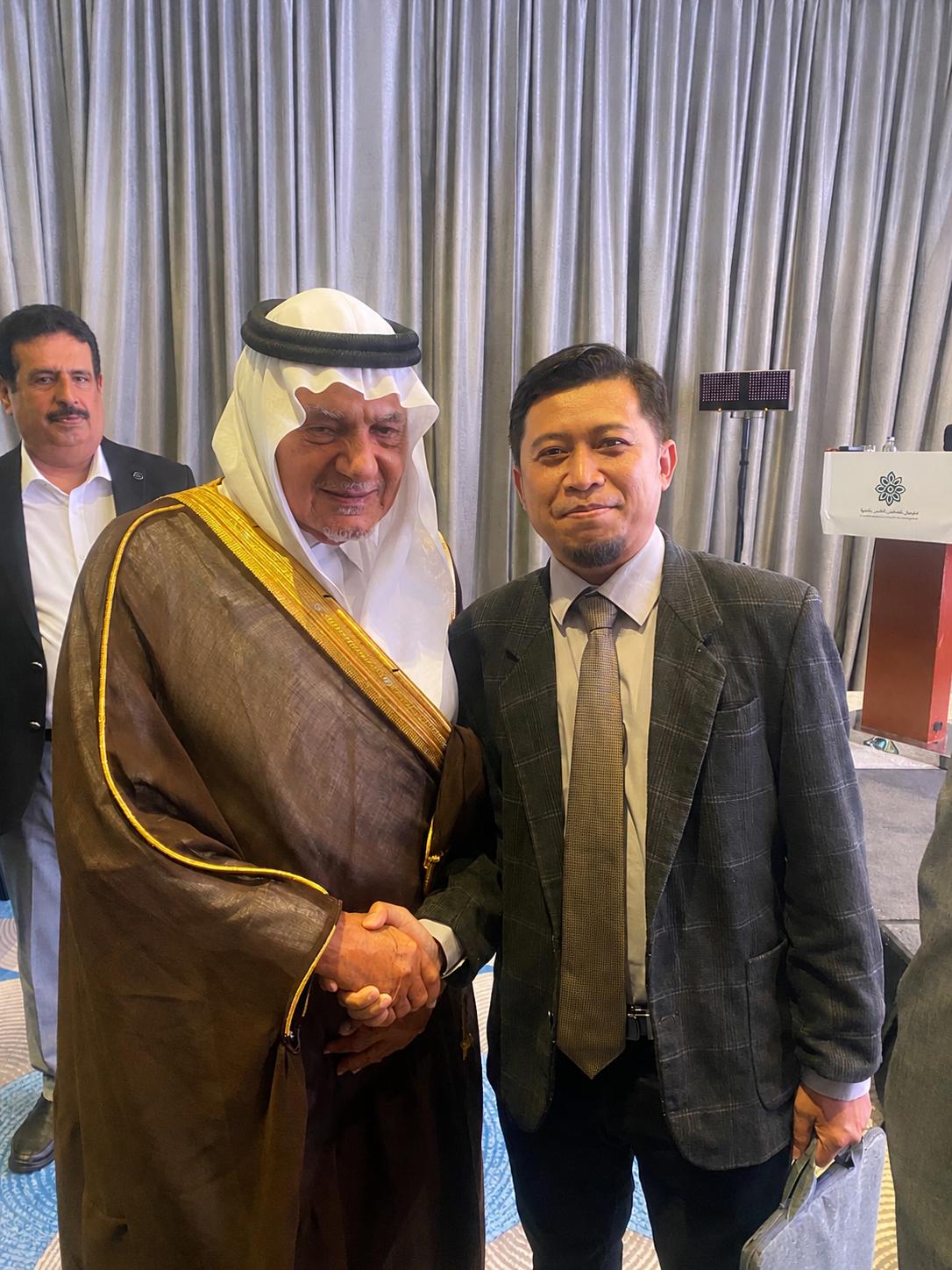
ISTANBUL, TÜRKİYE – In a significant move to support global humanitarian and developmental efforts, the National Board of Zakat of the Republic of Indonesia (BAZNAS RI) actively participated in "The Second International Workshop: Developmental Investment in Jerusalem: International Partnerships for Impact and Sustainability." The event took place on Saturday, June 27, 2026, at the Tyara Plaza Hotel in Istanbul, Republic of Türkiye.
Representing BAZNAS RI through a direct mandate from the Chairman of BAZNAS was Dr. Aam Slamet Rusydiana, an Indonesian Academic and Researcher in Islamic Economics and Finance currently based at Sakarya University, Türkiye.
The international workshop served as a strategic forum to strengthen cross-border cooperation in supporting sustainable development in Jerusalem. The event successfully gathered a diverse array of prominent global stakeholders, including international organizations, academics, private sectors, Islamic banks, Zakat and Waqf institutions, the Islamic Development Bank (IsDB) Group, and government representatives from Saudi Arabia, Türkiye, Kuwait, Qatar, the UAE, Jordan, and several GCC countries.
The primary objective of the workshop was to identify priority developmental needs in Jerusalem and formulate sustainable financing mechanisms. Discussions heavily emphasized the urgent need for systemic support in crucial sectors such as education, healthcare, economic empowerment, and social infrastructure for the people of Jerusalem.
A central theme of the workshop was the immense potential of Islamic philanthropy. Delegates, including Dr. Aam, concurred that Zakat, Infaq, Sadaqah, and Waqf (ZISWAF) must be optimized as long-term development instruments. Through innovative approaches like blended finance and social investment, Islamic social funds can generate measurable and impactful developmental outcomes.
Following the resolutions made during the forum, BAZNAS is positioned to implement several strategic "Calls to Action." These actionable steps include strengthening international partnerships with global Zakat and humanitarian organizations, and actively participating in global forums advocating for Islamic social finance.
Furthermore, aligning with Dr. Aam's academic expertise, BAZNAS plans to expand collaboration with universities and research institutions to conduct in-depth studies on the effectiveness of Zakat and Waqf for international development. To ensure concrete impact, BAZNAS also aims to initiate productive Zakat and Waqf-based pilot projects in collaboration with international partners, supported by rigorous impact measurement systems to ensure transparency, accountability, and sustainability.
The workshop concluded with a unified consensus: multi-party collaboration involving governments, global institutions, Islamic philanthropies, and the private sector is the most effective approach to creating sustainable developmental impact in Jerusalem. For BAZNAS, this participation marks a profound step in translating international dialogue into concrete, collaborative programs on the global stage.